Get Your Property Ready for What Comes Next

RCR Construction handles dirt work, site prep, concrete, asphalt, drainage, driveways, pads, clearing, hauling, and full project support around Rogers and Northwest Arkansas.

From one service to a full property buildout, we help get the ground, access, water flow, and finished surfaces ready in the right order.

Practical Dirt Work for

Real Property Needs

Local dirt work and construction support around Rogers, Arkansas

Residential, rural, commercial, and builder-focused site work

Clearing, excavation, grading, drainage, concrete, asphalt, hauling,

and cleanup

Clear communication before equipment shows up

Tell Us What You Need Done

Share a few details about the property, the work you need, and where the project is located. RCR Construction can help you figure out the right next step.

Dirt Work That Sets the Rest of the Project Up Right

Good property work starts before the final surface goes in. Whether you are clearing raw land, fixing drainage, preparing for a shop, building access, pouring concrete, laying asphalt, or cleaning up a site, the groundwork has to be planned around the full project.


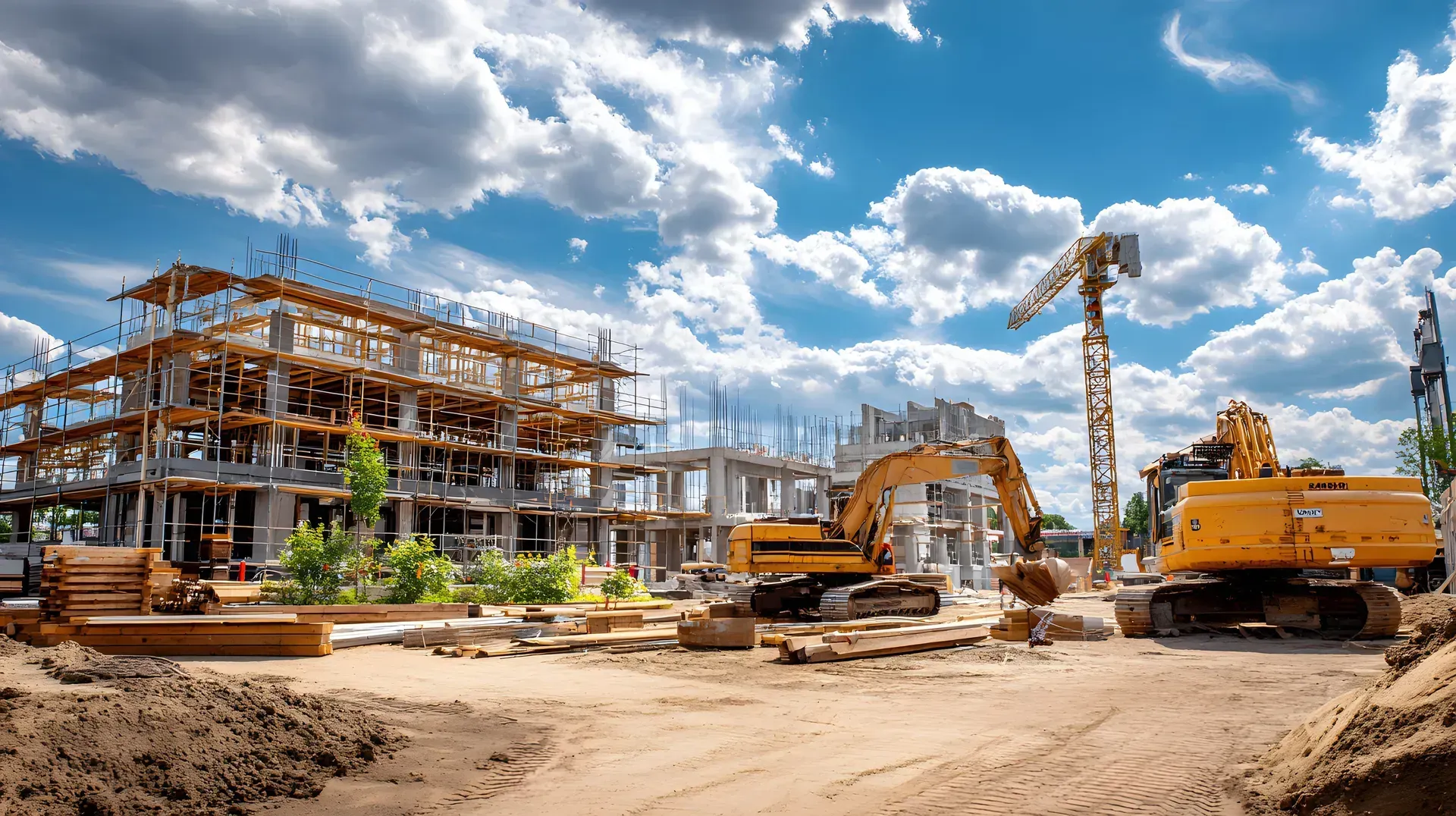
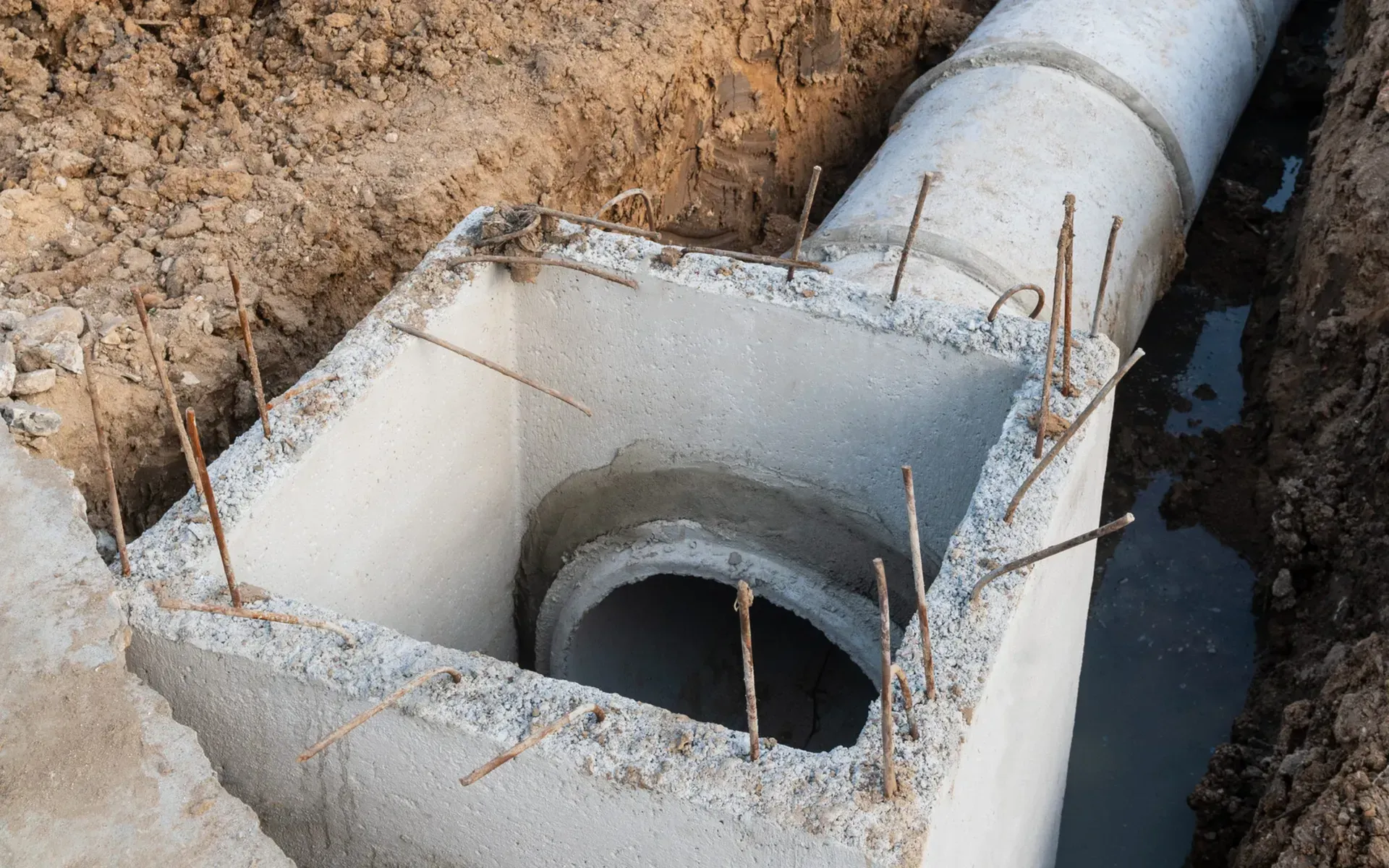
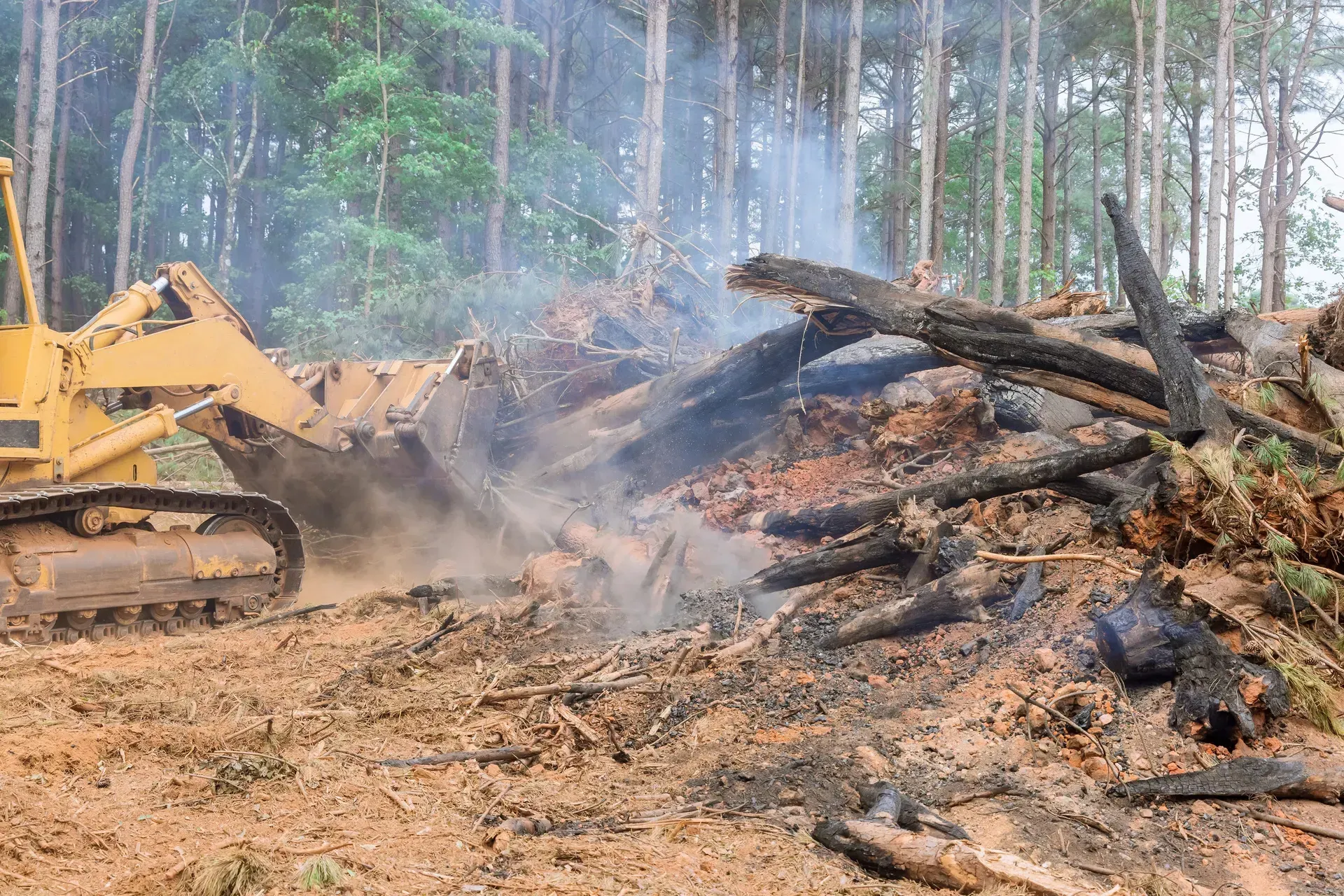
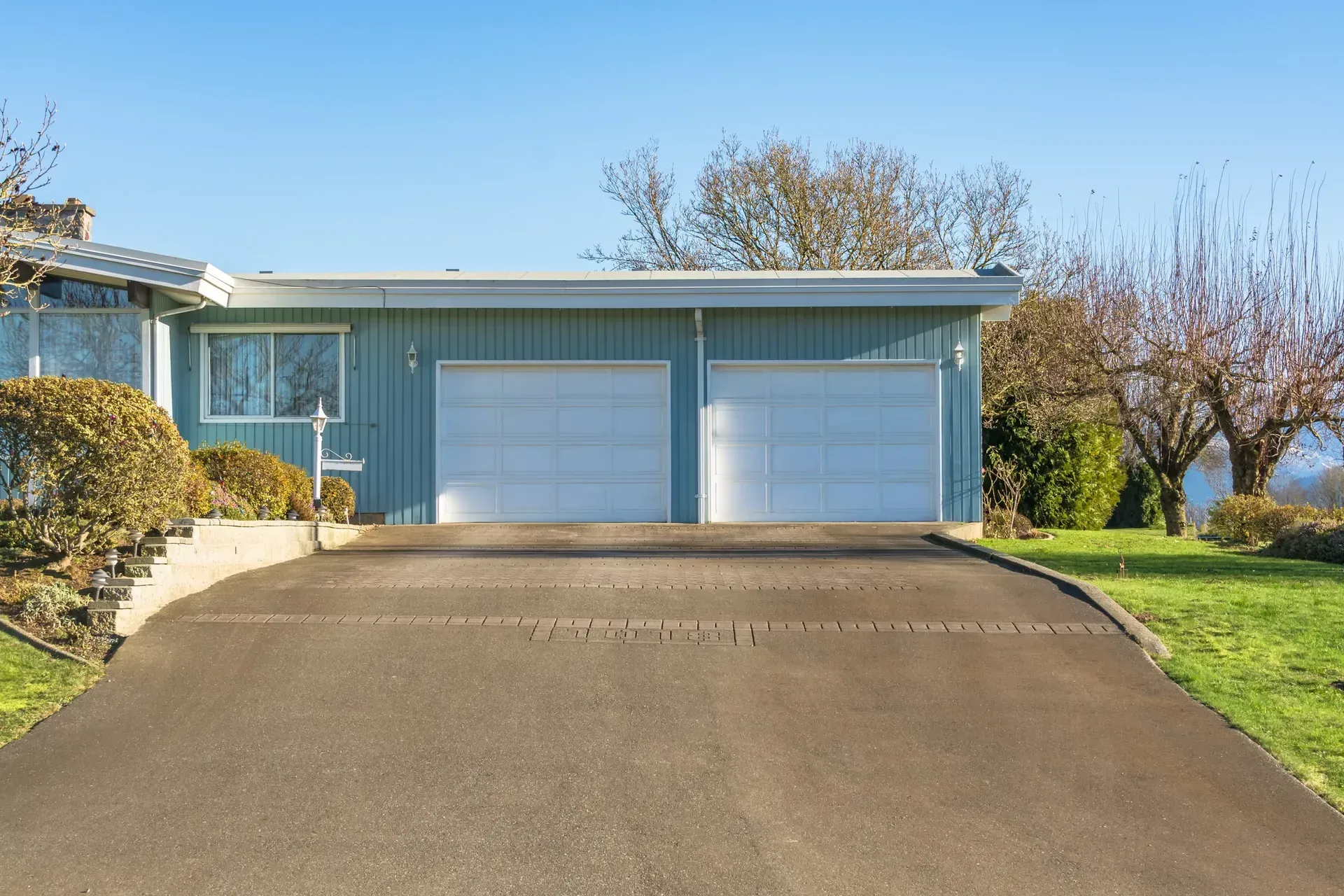
RCR Construction helps property owners, builders, businesses, and landowners handle the work that comes before, during, and after the main build. That can include clearing, excavation, grading, drainage correction, culverts, driveways, concrete, asphalt, building pads, trenching, hauling, and final cleanup.


The goal is simple: understand the property, plan the order of work, complete the right scope, and leave the site ready for what comes next.

Small Site Problems Can Turn Into Bigger Property Issues

Dirt work can look simple from the outside, but poor planning can create expensive problems later. If elevation, drainage, base material, access, or compaction are wrong, the finished project can suffer.

Common problems RCR Construction helps solve include:

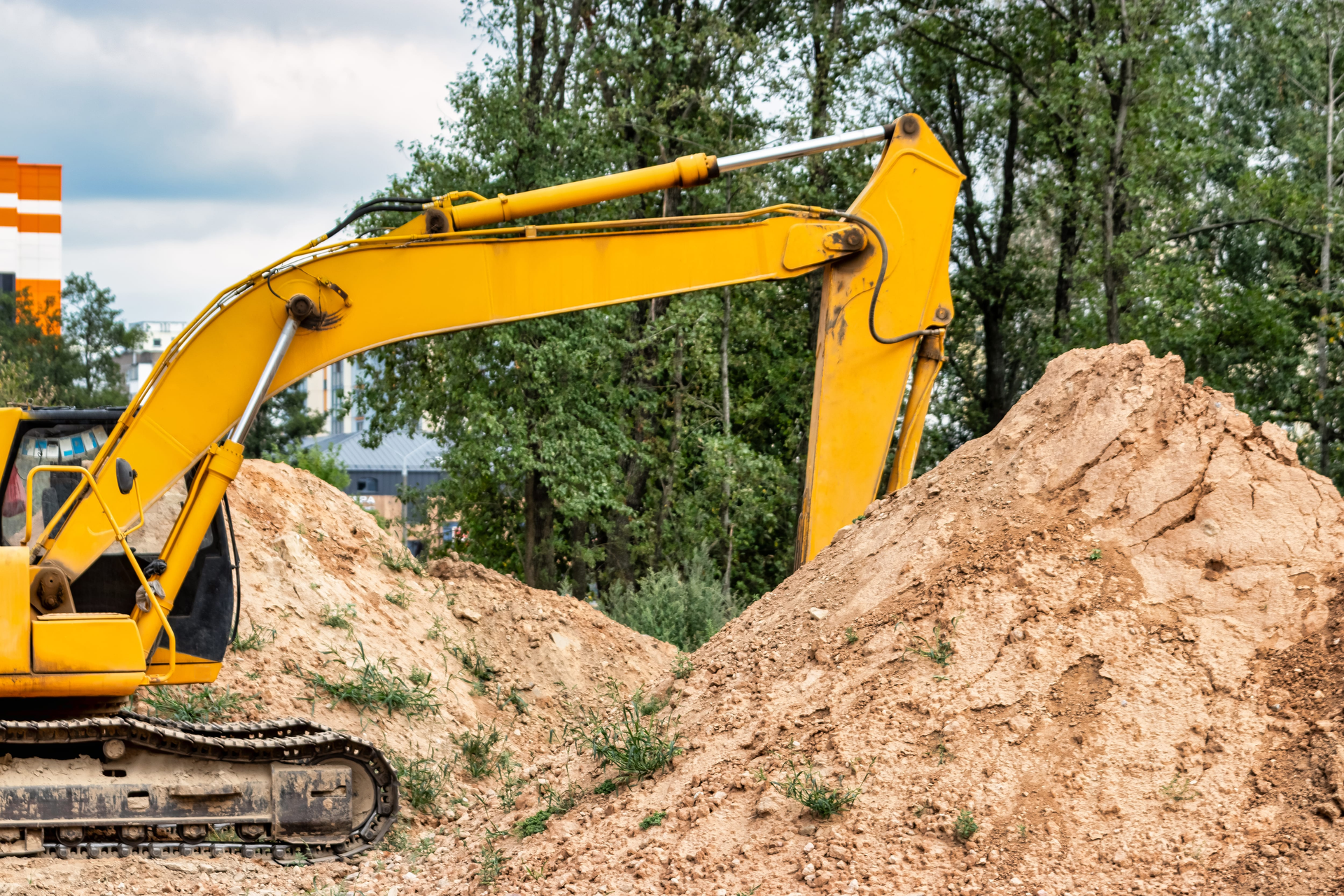
Overgrown or unusable land that needs clearing before anything else can happen

Poor access for homes, shops, barns, commercial areas, or construction traffic

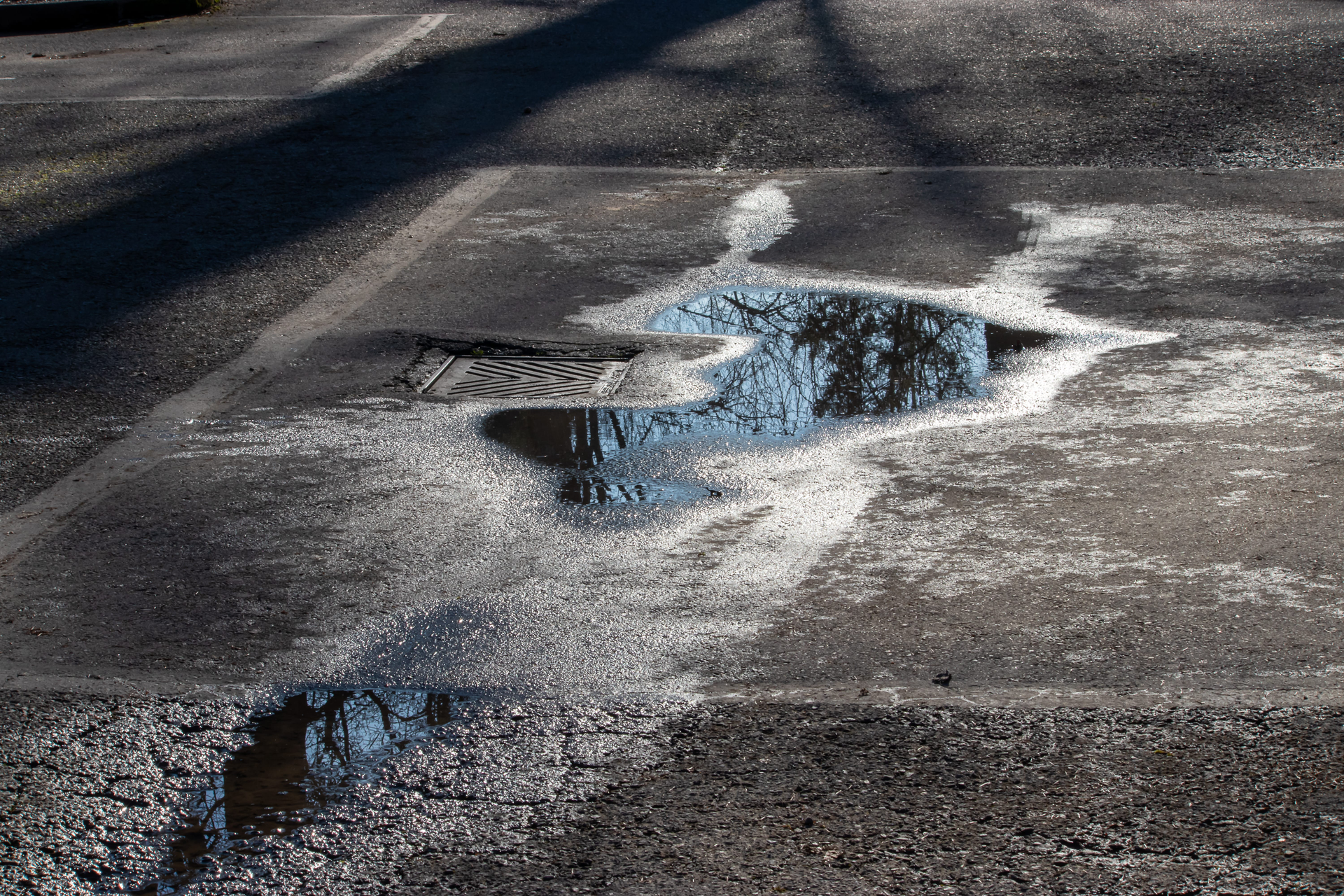
Standing water, runoff, soft ground, or drainage moving the wrong direction

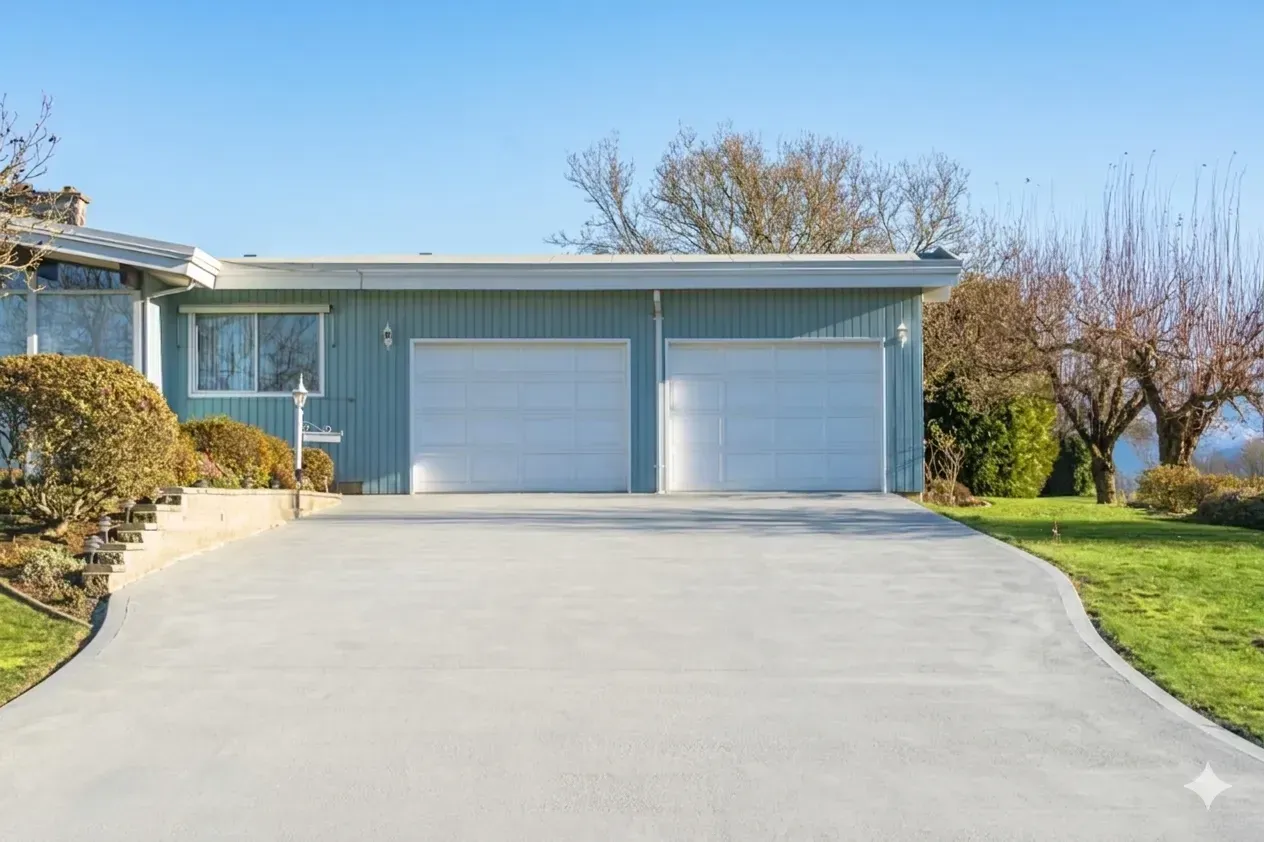
Washed-out driveways, failing gravel, damaged asphalt, or unstable base

Pads and concrete areas that need proper grading, base work, and prep

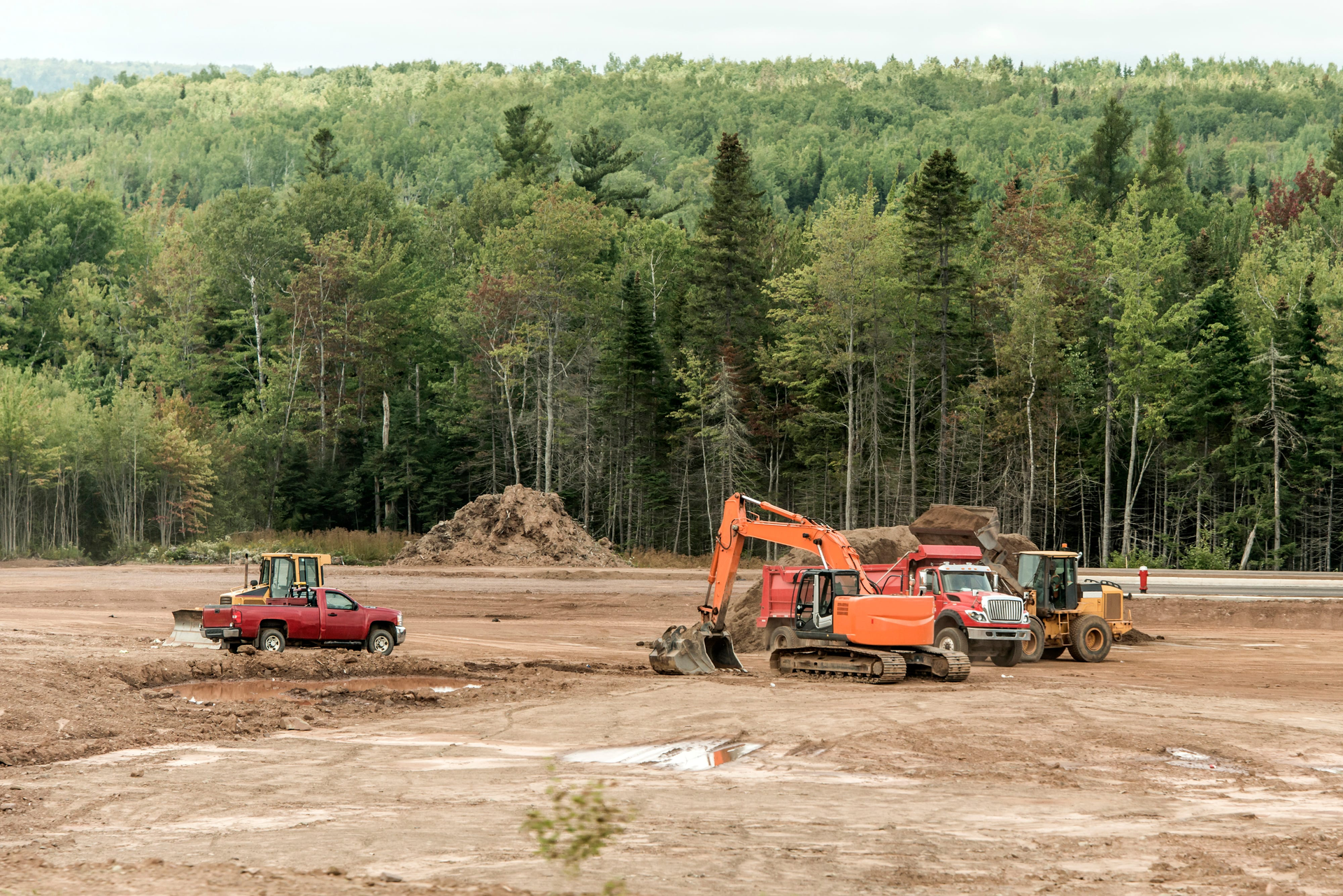
Sites that need excavation, hauling, cleanup, or demolition before rebuilding

Commercial or rural properties that need multiple services handled in sequence

Fixing these issues early can help protect the next phase of the project.

Dirt Work That Sets the Rest of the Project Up Right

Good property work starts before the final surface goes in. Whether you are clearing raw land, fixing drainage, preparing for a shop, building access, pouring concrete, laying asphalt, or cleaning up a site, the groundwork has to be planned around the full project.


RCR Construction helps property owners, builders, businesses, and landowners handle the work that comes before, during, and after the main build. That can include clearing, excavation, grading, drainage correction, culverts, driveways, concrete, asphalt, building pads, trenching, hauling, and final cleanup.


The goal is simple: understand the property, plan the order of work, complete the right scope, and leave the site ready for what comes next.

Plan the Work Before the Dirt Starts Moving

RCR Construction approaches each job by looking at what the property needs now and what the customer is trying to do next. A driveway may also need drainage. A shop site may need clearing, access, grading, concrete, utilities, and hauling. A commercial area may need excavation, base prep, compaction, asphalt, stormwater planning, and cleanup.


Instead of treating each piece as isolated work, the project should be planned so the steps support each other. Clearing should make room for access. Excavation should support the right elevations. Grading should move water correctly. Concrete and asphalt should be placed on a prepared base that is built for the intended use.


That full-scope thinking helps the job move cleaner, makes the estimate easier to understand, and gives the property a better starting point.

Services

Dirt Work, Concrete, Asphalt, Site Prep, and Property Services

RCR Construction can handle single-scope work or help connect several services into one organized property project.

Need More Than One Service? Start With the Bigger Project.

Some property projects do not fit neatly into one service. RCR Construction can help plan the order of work when clearing, access, excavation, grading, drainage, concrete, asphalt, hauling, and cleanup need to work together.

Step 4

Step 3

The project may involve clearing, excavation, base work, culverts, concrete, asphalt, hauling, or sequencing several pieces correctly.

You get a clearer understanding of what work is included and what needs to happen before the next phase.

Our Process

A Clear Path From First Call to Finished Site

RCR Construction keeps the process straightforward so customers know what to expect before work begins.

Step 1

Call or send the form with your location, project type, service needs, and any photos or notes that help explain the site.

Step 2

RCR looks at what needs to be done, what the property conditions may require, and whether the job is a single service or a larger project.

Step 3

The project may involve clearing, excavation, base work, culverts, concrete, asphalt, hauling, or sequencing several pieces correctly.

Step 4

You get a clearer understanding of what work is included and what needs to happen before the next phase.

Step 5

RCR Construction performs the agreed scope and works to leave the site ready for its intended use.

Step 6

The job should finish with the property cleaner, more usable, better prepared, or ready for the next trade or phase.

Built Around Real

Property Conditions

Every property is different. Some sites need clearing before equipment can reach the work area. Some need drainage corrected before a driveway, slab, asphalt surface, or pad will hold up properly. Some need excavation, hauling, demolition, base work, or grading before the final phase can begin.


RCR Construction builds trust by focusing on the real conditions that affect the job:

Access for equipment, vehicles, builders, and daily property use

Water flow, runoff, culverts, ditches, and drainage paths

Water flow, runoff, culverts, ditches, and drainage paths

Practical sequencing when multiple services are needed

Clean communication about what the property needs

Site cleanup and material handling after the heavy work is complete

This makes the site more useful, easier to build on, and better prepared for the next step.

Why Choose Us?

Why Property Owners Call RCR Construction

Full-Scope Dirt Work Capability

RCR Construction can help with clearing, excavation, grading, drainage, driveways, pads, concrete, asphalt, hauling, trenching, demolition, ponds, and site cleanup.

Better Project Sequencing

The right order matters. RCR helps customers think through what needs to happen first so later work is not fighting the earlier work.

Property-Focused Recommendations

Every site has its own slope, access, soil, drainage, and use case. The work should match the property instead of forcing a one-size-fits-all approach.

Concrete and Asphalt Support

RCR does not stop at pad prep. When the project calls for concrete or asphalt, the site can be planned with the finished surface in mind.

Help With Larger Builds

For shops, houses, garages, barns, metal buildings, commercial work, and property improvements, RCR can help connect the site work and coordinate additional contracted pieces when needed.

Clear Communication

Customers should understand what is being done, why it matters, and what information is needed to move the project forward.

Avoca

Tontitown

Avoca

Avoca

Springdale

Cave Springs

Rogers

Fayetteville

Rogers

Lowell

Avoca

Garfield

Elm Springs

Johnson

Fayetteville

Prairie Grove

Bella Vista

Gateway

Rogers

Bentonville

Dirt Work Around Rogers and Northwest Arkansas

RCR Construction serves Rogers and nearby Northwest Arkansas communities within roughly 40 miles, depending on the project scope, access, and scheduling.

Primary service area communities include:

Rogers

Bentonville

Springdale

Fayetteville

Lowell

Cave Springs

Centerton

Little Flock

Bella Vista

Pea Ridge

Avoca

Garfield

Gateway

Prairie Creek

Highfill

Elm Springs

Tontitown

Johnson

Farmington

Prairie Grove

Goshen

Elkins

Siloam Springs

Gentry

Decatur

Gravette

Sulphur Springs

Eureka Springs

Huntsville

Nearby cross-border areas may also be considered by project fit, including West Siloam Springs, Watts, Pineville, Jane, Noel, Anderson, and Goodman.

FAQs

Questions Before You Start a Dirt Work Project?

  • What information should I send before getting a dirt work quote?

    Send the property location, the services you think you need, photos if available, access details, and a short description of what you are trying to accomplish. If you are not sure which service fits, describe the problem or goal and RCR Construction can help identify the right next step.

  • Does RCR Construction handle concrete and asphalt or only the prep work?

    RCR Construction offers concrete and asphalt work along with the dirt work, grading, base prep, drainage, and access work that helps those surfaces perform better. That means the project can be planned with the finished surface in mind, not just the rough prep.

  • Can RCR help if I am building a shop, house, garage, barn, or metal building?

    Yes. RCR can help with the site work side of the project, including clearing, access, excavation, drainage, grading, pad work, concrete, asphalt, utility trenching, hauling, and cleanup. When a larger build requires additional trades or contracted pieces, RCR can help coordinate the site work around that bigger plan.

  • What areas does RCR Construction serve?

    RCR Construction is based around Rogers, Arkansas and serves nearby Northwest Arkansas communities such as Bentonville, Springdale, Fayetteville, Lowell, Cave Springs, Centerton, Bella Vista, Pea Ridge, Siloam Springs, and surrounding towns within roughly 40 miles depending on project fit.

  • Can several services be handled together?

    Yes. Many projects need more than one service. A property may need clearing, access, grading, drainage, base work, concrete, asphalt, hauling, and cleanup all planned together so the job moves in the right order.

  • Do I need to know exactly what service to ask for?

    No. Many customers start with a problem or goal rather than a service name. You can explain what is happening on the property, and RCR Construction can help determine whether the work involves clearing, grading, drainage, excavation, concrete, asphalt, hauling, or a larger project plan.

Blogs

Helpful Dirt Work Planning Guides

Use these articles to understand common property issues before you call, especially if you are planning a larger project or trying to figure out what needs to happen first.

May 22, 2026
Clearing Overgrown Land Is Usually the First Step, Not the Whole Project Overgrown land can make a property feel unusable. Brush, trees, undergrowth, debris, old material, and blocked access can make it hard to walk the site, understand the slope, see drainage issues, or plan what should happen next. For property owners around Rogers and Northwest Arkansas, land clearing is often the first move toward a bigger goal. That goal might be building a driveway, preparing a shop site, cleaning up acreage, improving drainage, creating access, selling the property, or making the land easier to maintain. Before clearing begins, it helps to think through what the property should be ready for after the brush and trees are gone. Land Clearing Can Include More Than Cutting Brush Land clearing can mean different things depending on the property. Some jobs are mostly brush and undergrowth. Others involve trees, debris, fence lines, old material, access routes, rough acreage, or future building areas. A clearing project may involve: Brush and undergrowth removal Tree clearing or selective clearing Lot clearing or acreage cleanup Fence line, easement, or driveway path clearing Opening access for equipment and vehicles Clearing around future building pads or work areas Removing brush piles, debris, or unwanted material Preparing the property for grading, drainage, hauling, driveways, or site prep The important thing is to match the clearing plan to the future use of the land. Clearing for a driveway route is different from clearing for a shop pad, pond access, pasture cleanup, commercial prep, or full site development. What Happens After Clearing Is Just as Important Clearing the land gives you visibility and access, but it may also reveal the real work that needs to happen next. Once the overgrowth is removed, you may find: Low spots that hold water Soft or muddy ground Old debris, concrete, asphalt, or dumped material Uneven grade or rough terrain Washed-out areas or erosion No reliable driveway or equipment access Areas that need hauling, grading, drainage, or base material This is why clearing should be planned with the next phase in mind. A property may look better after clearing, but it may not be truly usable until the access, drainage, grade, and cleanup are handled. Questions to Ask Before Clearing Overgrown Land Before clearing begins, consider what the land needs to support after the cleanup. What areas actually need to be cleared? You may not need to clear everything. The priority might be a driveway route, building area, fence line, drainage path, equipment access route, pond edge, or usable yard area. What will the property be used for next? A future shop site, house site, garage, barn, metal building, driveway, concrete slab, asphalt access, pasture area, or commercial lot may each require a different clearing approach. Is there access for equipment? Overgrown land often blocks the first practical step: getting equipment to the work area. Access may need to be opened before the main clearing, grading, or hauling work can happen. What debris or old material is on the property? Brush and trees are one thing. Old concrete, asphalt, junk piles, abandoned structures, fencing, rock, or dumped material can change the scope of the cleanup. How does water move across the land? Overgrowth can hide drainage problems. After clearing, water paths, low areas, washouts, ditches, culverts, and soft ground may become easier to see. Will the site need grading or hauling after clearing? Clearing may leave behind uneven areas, stumps, brush piles, spoils, or material that needs to be hauled, spread, removed, or graded before the land is truly usable. Common Mistakes When Clearing Raw or Overgrown Property Land clearing is a lot more useful when it is part of a bigger plan. Problems can happen when the clearing work is done without thinking about what comes next. Common mistakes include: Clearing random areas instead of the areas needed for access or future use Removing brush but leaving debris, stumps, or old material in the way Ignoring drainage problems until after a driveway or pad is started Clearing a building area without planning driveway access first Assuming the land is ready for concrete, asphalt, or a building pad immediately after clearing Forgetting hauling and cleanup in the project scope Clearing too much without considering erosion, slope, or runoff Waiting to think about grading until after equipment has already left A better approach starts with the property goal and clears the areas that support that goal. A Practical Order for Clearing Overgrown Land A land clearing project does not have to be complicated, but it should have a logical order. Step 1: Define the end goal Decide whether the land needs to become a driveway route, building site, cleaned acreage, drainage area, pad location, concrete/asphalt surface, or general usable property. Step 2: Identify access first Determine how equipment, trucks, materials, and future work will reach the site. Step 3: Clear the priority areas Focus on the spaces needed for access, visibility, future work, drainage, or property use. Step 4: Handle debris and material Plan for brush, logs, spoils, old concrete, asphalt, junk, or unwanted material that may need to be hauled or cleaned up. Step 5: Review drainage and grade after clearing Once the site is open, look for low areas, washouts, soft ground, runoff paths, and slope problems. Step 6: Plan the next dirt work step The next phase may be grading, excavation, drainage, driveway access, building pad prep, concrete, asphalt, hauling, or full site prep. This order helps turn clearing into the beginning of a usable property plan instead of a one-time cleanup that leaves the next steps unclear.
May 22, 2026
Clearing the Brush Is Not Always the Finish Line Land clearing is a major step, but it is often only the first step in making property usable. Once brush, trees, undergrowth, and debris are removed, the site may still need access, grading, drainage, hauling, pad work, concrete, asphalt, or additional dirt work before it is ready for the next use. For property owners around Rogers and Northwest Arkansas, this distinction matters. A cleared property may look better right away, but it may not be ready for a driveway, shop, house, garage, barn, metal building, parking area, concrete slab, asphalt surface, or regular access until site prep is addressed. Understanding the difference between land clearing and site prep can help you plan the right next step. Land Clearing Opens the Site. Site Prep Gets It Ready to Use. Land clearing usually focuses on removing what is blocking the land. Site prep focuses on shaping and preparing the land for its next purpose. Land clearing may include: Brush removal Tree and undergrowth clearing Lot or acreage clearing Fence line or easement clearing Opening access paths Removing overgrowth from future work areas Basic cleanup and debris handling Site prep may include: Excavation and cut/fill work Rough grading and finish grading Drainage correction and water-flow planning Culverts, ditches, swales, or drainage paths Driveway, road, or construction entrance prep Building pads, base prep, and compaction Concrete or asphalt surface preparation Utility trenching, septic prep, or drainage line trenching Utility trenching, septic prep, or drainage line trenching A property can be cleared but still not site-ready. The difference is whether the land is simply opened up or actually prepared for the next phase. The Next Step After Clearing Depends on the Goal What happens after clearing should depend on what the property needs to become. If the goal is simple cleanup, the next step may be hauling brush and debris. If the goal is a driveway, the next step may be access grading, base material, and drainage. If the goal is a building pad, the site may need excavation, grading, drainage, compaction, and concrete. If the goal is commercial prep, the site may need parking area grading, base prep, asphalt or concrete planning, hauling, and stormwater control. This is why it is risky to treat land clearing as a standalone finish when the property has a larger purpose. Clearing can reveal the site conditions, but site prep is what helps the land support traffic, structures, surfaces, and drainage. What to Look for After the Land Is Cleared Once the brush is gone, the property usually becomes easier to evaluate. This is the time to look for conditions that may affect the next phase. Is there reliable access? A cleared area still may not have a usable driveway, road, equipment route, or construction entrance. Access may need grading, rock, gravel, culverts, concrete, asphalt, or base material. Does water collect anywhere? Low areas, soft ground, ditches, runoff paths, and washouts are easier to see after clearing. These should be considered before driveways, pads, concrete, asphalt, or building work begins. Is the land level enough for the intended use? A cleared site may still be too rough, uneven, sloped, or unstable for a structure, driveway, parking area, or surface. Is there debris or material that needs to be hauled? Brush piles, stumps, old concrete, asphalt, junk, spoils, or leftover material may need to be removed before site prep can continue. Is the soil or base ready for a surface? Concrete, asphalt, gravel, and building pads depend on proper subgrade, base, compaction, and drainage. A cleared area is not automatically ready for a finished surface. Are utilities or septic part of the future plan? Trenching for utilities, septic, or drainage lines should be planned before final grade, concrete, asphalt, or finished driveway work whenever possible. Common Mistakes After Land Clearing The biggest mistake is assuming that cleared land is automatically usable land. Clearing improves visibility and access, but it does not always solve the issues underneath or around the site. Common mistakes include: Clearing brush without planning the driveway or access route Leaving debris, stumps, brush piles, or old material behindold material behind Starting pad work without checking drainage and slope Spreading gravel before grading or culverts are addressed Pouring concrete or installing asphalt before base and water flow are ready Ignoring soft ground or low spots after clearing Waiting too long to plan utility, septic, or drainage trenching Treating clearing, grading, drainage, hauling, and surface work as separate decisions A better approach is to clear with the next phase in mind. A Practical Sequence After Brush Clearing Once clearing is complete, the next steps should be based on what the property needs to support. Step 1: Walk or review the cleared area Look for slope, low spots, debris, wet areas, rough ground, and access issues that were hidden by overgrowth. Step 2: Decide what the property needs to become The next step is different for a driveway, shop pad, house site, barn, parking area, concrete slab, asphalt surface, pond, or general cleanup. Step 3: Address access and drainage early Driveways, roads, pads, concrete, asphalt, and building areas all perform better when water and access are planned before final work. Step 4: Handle grading and material movement The land may need cut/fill, leveling, base material, compaction, hauling, spreading, or cleanup. Step 5: Plan underground work before finished surfaces Utility trenching, septic prep, and drainage lines should be considered before concrete, asphalt, or final grading. Step 6: Prepare the site for the finished use The final phase may include driveways, pads, concrete, asphalt, gravel, building prep, parking areas, or a cleaner usable property. This sequence helps turn a cleared area into a functional site.
May 22, 2026
A Washed-Out Driveway Is Usually a Water Problem First When a driveway washes out, the first thought is often to add more gravel, patch the rut, or smooth the surface. That may help temporarily, but if water is still crossing the driveway, saturating the base, or cutting the edges, the same damage can come back after the next heavy rain. For property owners around Rogers and Northwest Arkansas, driveway washouts are common on sloped land, rural properties, long access routes, gravel roads, construction entrances, and driveways without proper culverts or ditching. The surface damage is easy to see. The drainage issue underneath is what usually needs to be understood before the driveway can hold up better. Driveway Washouts Happen When Water Has the Wrong Path A driveway is supposed to provide access. Water is supposed to move away from that access. When those two paths conflict, the driveway often loses. Driveway washouts can happen when water: Runs across the driveway instead of under it Flows down the tire paths Collects in low spots Saturates the base material Cuts the driveway edges Overflows a clogged or undersized culvert Escapes a ditch or swale Runs too fast down a steep route Has no stable outlet The driveway surface may be gravel, concrete, asphalt, or a mix of materials. The cause is often the same: water is not being controlled before it reaches or crosses the access route. Repeated Washouts Can Damage the Whole Access Route A washout is not only a surface problem. Over time, repeated runoff can remove base material, create ruts, soften the subgrade, expose rocks, damage edges, and make the driveway harder to maintain. Repeated driveway washouts may lead to: Gravel loss after every rain Deep ruts or channels in the driveway Muddy or soft access areas Potholes and uneven surface conditions Erosion along the driveway edges Culvert overflow or ditch failure Concrete or asphalt edge damage Difficult access for trucks, trailers, equipment, or daily vehicles If the driveway is also needed for a shop, house, garage, barn, metal building, commercial property, or construction site, poor access can affect the entire project. Why the Driveway Keeps Washing Out Driveway washouts often come from one or more drainage issues working together. Water is crossing the driveway If runoff crosses over the driveway surface, it can carry gravel and base material with it. A culvert, ditch, or grading correction may be needed to move water under or around the route. The driveway is too flat in the wrong places Flat areas can hold water, especially if the surface has settled or the base is weak. Standing water can soften the driveway and create ruts. The driveway is too steep without water control Steep routes can send water downhill with enough force to cut channels into gravel, shoulders, and ditches. The ditches are not working Ditches may be too shallow, clogged, eroded, or graded the wrong direction. When ditches fail, water often finds the driveway instead. The culvert is missing, clogged, crushed, or undersized A culvert only works if water can enter, pass through, and exit properly. If it cannot, water may back up and cross the driveway. The base is too weak or saturated If water gets into the base and cannot drain, the driveway may rut, pump, settle, or lose material under traffic. The edges are not protected Water running along the edge can cut away support and cause the driveway to narrow, crumble, or collapse at the sides. Common Mistakes When Fixing Driveway Washouts Driveway washouts often return when the repair focuses only on replacing lost material. Common mistakes include: Adding gravel without correcting runoff Filling ruts without reshaping the grade Ignoring water flowing across the driveway Installing a culvert without checking the inlet and outlet Leaving ditches clogged or too shallow Building the driveway flat with no crown or drainage slope Patching asphalt or concrete before base and drainage issues are fixed Ignoring soft ground under the surface Treating the washout as a one-time storm issue instead of a drainage pattern A better repair looks at why the water damaged the driveway in the first place. A Practical Way to Approach a Driveway Washout Before repairing the surface, it helps to understand the water path. Step 1: Watch where the water comes from Identify where water crosses, collects, flows downhill, or cuts into the surface. Step 2: Check the ditches and edges See whether water has a clear route beside the driveway or whether it is using the driveway as the drainage path. Step 3: Inspect any culverts Look for blockages, crushed sections, poor alignment, erosion at the outlet, or water backing up at the inlet. Step 4: Review the grade The driveway may need reshaping, crowning, slope correction, or low-spot correction before new material is added. Step 5: Evaluate the base Soft, saturated, or unstable areas may need excavation, base correction, rock, compaction, or drainage work. Step 6: Choose the repair or surface after drainage is addressed Gravel, asphalt, and concrete can all perform better when the drainage and base are corrected first. This approach helps the driveway repair become more than a temporary patch.
Ready to Get the Property Moving?

Get the land, access, drainage, surface, or site ready for its next use.

Talk through the project before the wrong work happens first.

Send the details and RCR Construction will help you take the next step.

Contact Us

Tell RCR Construction What You Need Done

Whether you need one service or a full property plan, share the project details and location. RCR Construction can review the scope and help you move forward with a clearer plan.